
Aircraft Hangers
Built for strength and precision, our hangars keep important operations running smoothly — from small private aircraft to full-scale aviation facilities.
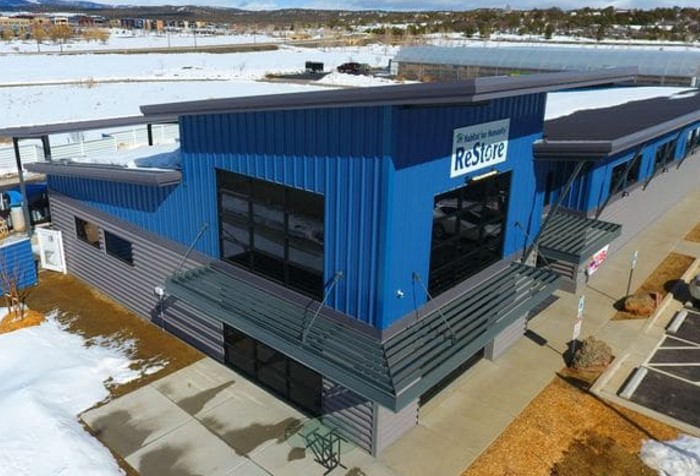
Commercial
Flexible, durable, and built to last. Our commercial steel structures help businesses grow with confidence, offering modern design and low maintenance.
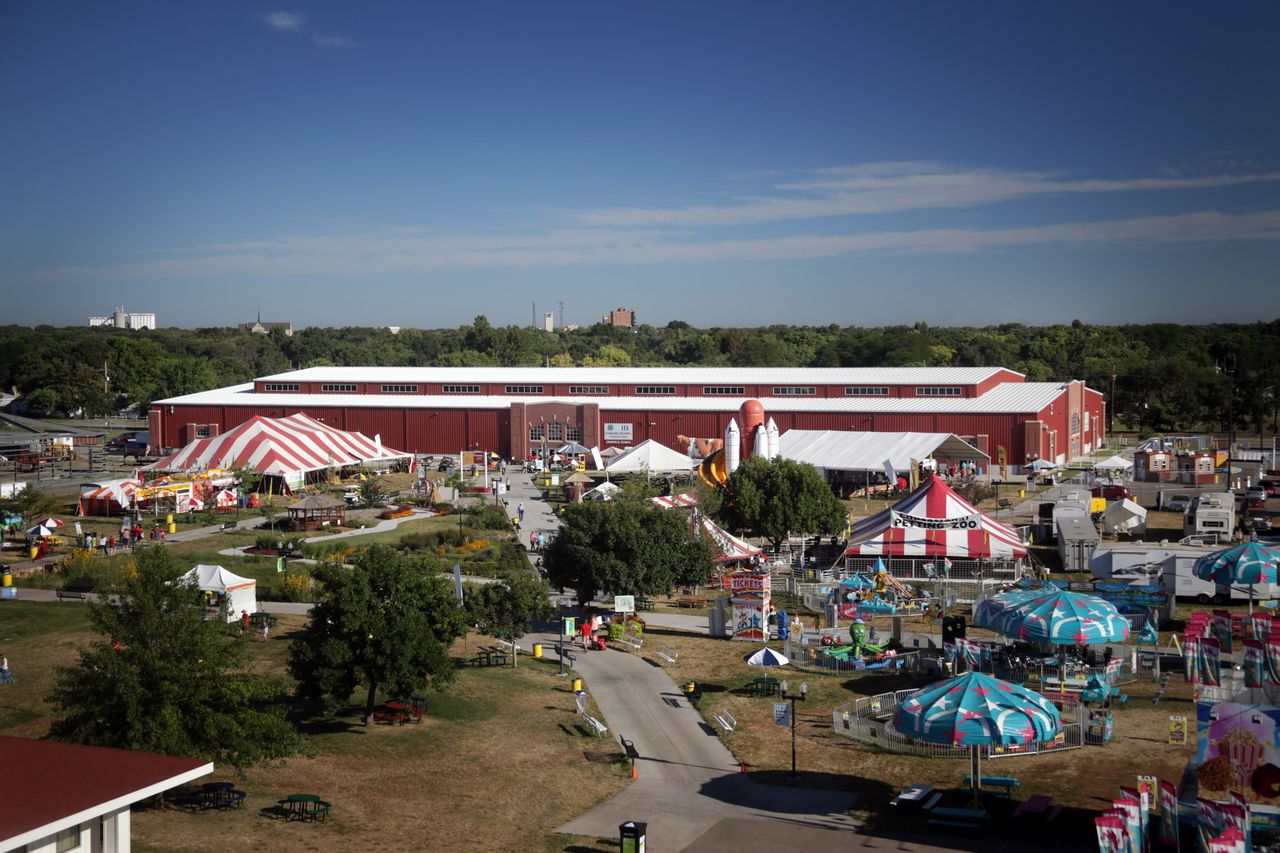
Community/Recreation
From sports facilities to event centers, we create spaces that bring people together ready to serve your community for decades.
Farm & Ranch
Rugged, practical, and made for the hard work. Our buildings stand up to the elements and keep things moving season after season.
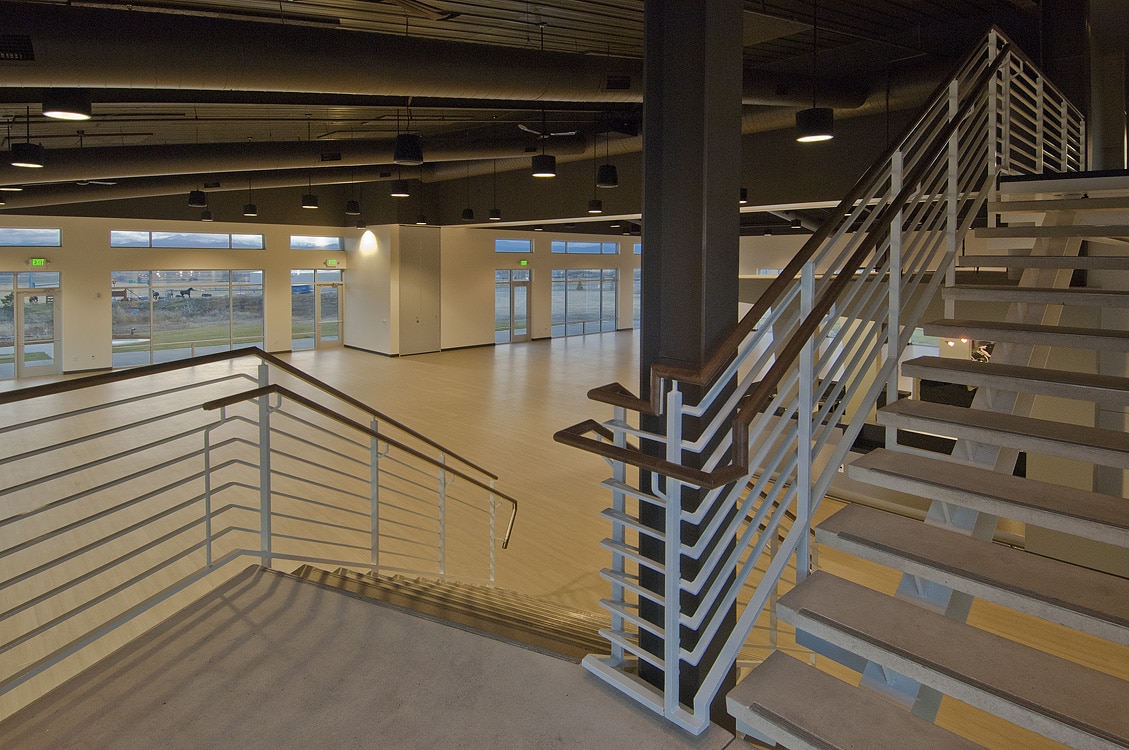
Houses of Worship
Our inspiring spaces built with care and craftsmanship provide the beauty, safety, and versatility your congregation deserves.
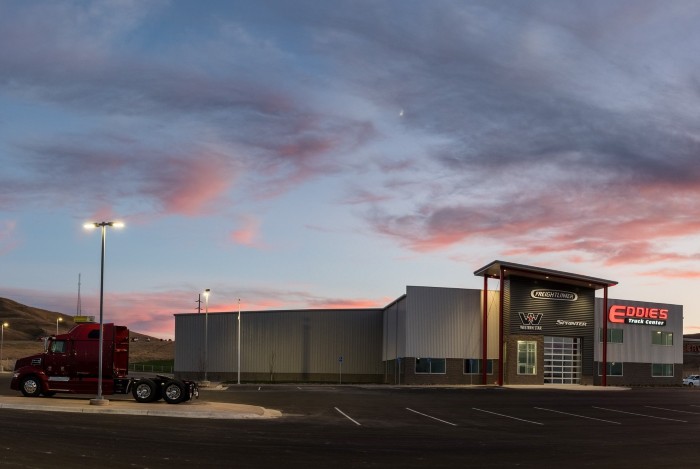
Industrial/Manufacturing
Engineered for efficiency, safety, and performance. Our custom industrial buildings handle the heavy loads and tough environments.
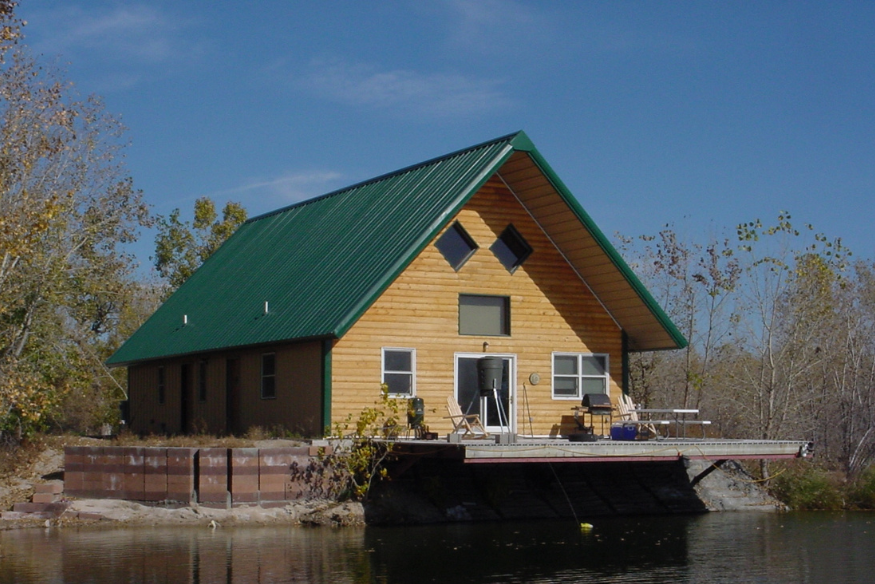
Residential
Strong, stylish, and energy-efficient — steel homes that combine modern comfort with long-term durability for the way you live today.
A Note About Design Loads
When designing buildings with steel, it’s essential to consider the appropriate design loads as outlined in the International Building Code (IBC) and other relevant building codes. These codes categorize loads into different types: dead loads, live loads, snow loads, wind loads, seismic loads, and other environmental loads.
Dead loads refer to the permanent loads of the building structure, such as the weight of steel framing, floors, and roofs. Live loads account for variable loads like occupancy, furniture, or equipment.
Snow loads are critical for regions with snowfall, determining the weight of accumulated snow on the roof.
Wind loads are essential for structural integrity in areas prone to high winds, taking into consideration factors like wind speed, building height, and exposure.
Seismic loads, especially in earthquake-prone areas, dictate design to resist ground motion.
Each load type is defined by specific factors in the IBC, and for steel structures, it is necessary to use the American Institute of Steel Construction (AISC) guidelines, which provide additional requirements for safety and stability. Structural engineers must evaluate these loads based on geographic location, building use, and other site-specific factors, ensuring compliance with all applicable codes to create a safe, resilient steel building design.